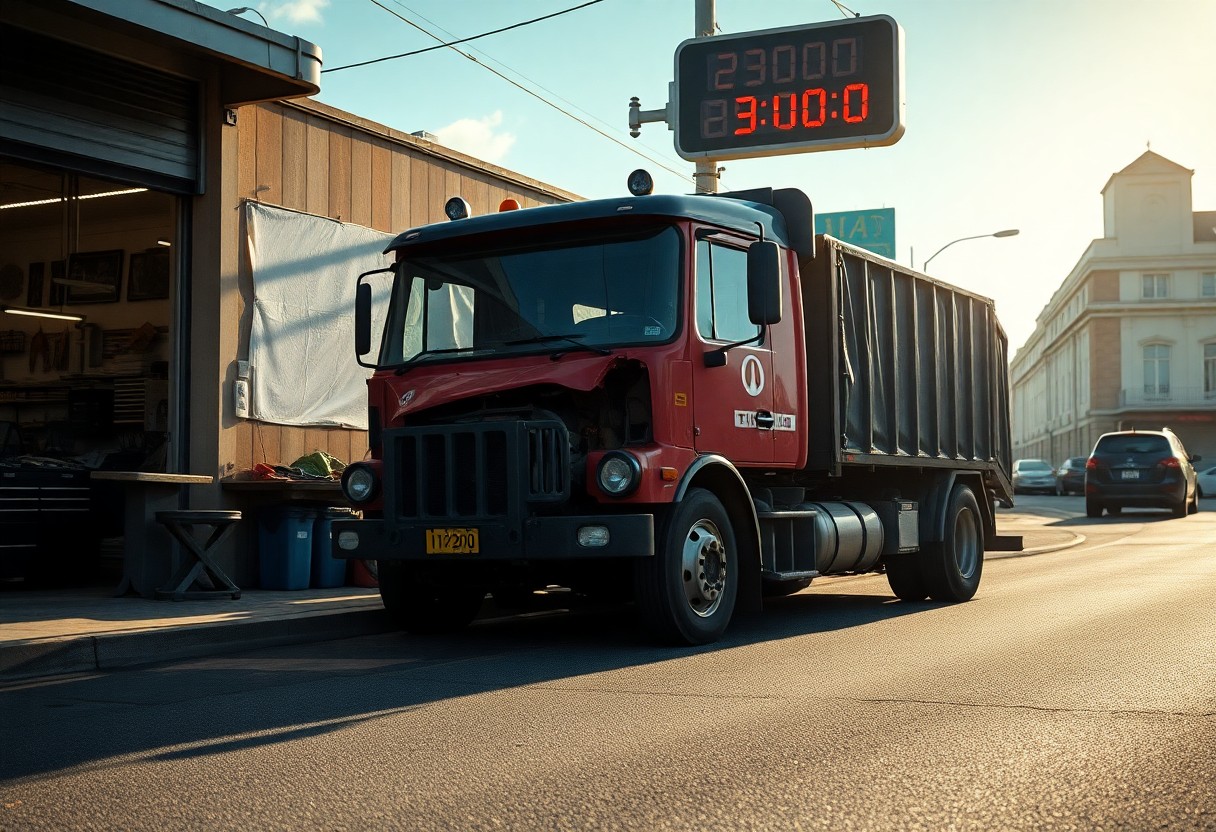
You face a frustrating situation when your truck breaks down in Manukau at 3pm. While the workshop estimates repairs will take three days, there are efficient strategies you can implement to minimize downtime. This post will guide you on how to navigate the repair process, find alternative solutions, and ultimately get your truck back on the road in just three hours, ensuring your operations stay on track.
Key Takeaways:
- In Manukau, quick turnaround can be vital in a breakdown situation.
- Workshops may provide longer estimates than necessary.
- Effective communication can lead to faster service delivery.
- Assessing all available repair options can expedite resolution.
- Planning for contingencies is important in logistics and transportation.
Understanding Truck Breakdowns
Truck breakdowns can be disruptive, costing you time and money. Identifying the factors that contribute to these incidents helps in preventing them and addressing issues swiftly. From mechanical failures to driver error, each aspect plays a role in the reliability of your vehicle. Understanding these elements not only prepares you for unexpected situations but also enhances your operational efficiency.
Common Causes of Breakdown
Mechanical failures account for most breakdowns, often stemming from poor maintenance practices. Issues such as worn-out brakes, faulty batteries, and overheating engines frequently arise. Additionally, fuel contamination and tire blowouts can lead to roadside failures. External factors, including weather conditions and road hazards, also contribute to unexpected breakdowns, underscoring the importance of thorough pre-trip inspections.
Immediate Steps to Take
When your truck breaks down, your first action should be ensuring safety. Move the vehicle off the road if possible and activate hazard lights. Communicate with your dispatch to inform them of your situation. Assess the problem quickly; check for visible issues like tire damage or fluid leaks, and document what you see. If necessary, call for roadside assistance while you wait in a secure area, maintaining a proactive approach throughout the process.
Being stranded can be unsettling, but you can regain control by following a structured approach. Safety is paramount, so secure your vehicle and yourself first. Notify your management and provide them with an update, allowing them to take subsequent steps for your support. Take pictures of any visible damage and jot down your observations, as this information can be valuable for the repair team and help expedite the recovery process. Engaging with roadside assistance promptly ensures that help is on the way, minimizing downtime and getting you back on the road sooner.
Choosing the Right Workshop
Finding the right workshop can drastically reduce your downtime and get your truck back on the road swiftly. Look for workshops that are specialized in the type of repairs your vehicle requires and have a proven track record for efficiency. Online reviews, recommendations from fellow truck drivers, and industry certifications are solid indicators of a workshop’s reliability. Prioritizing workshops that offer guarantees on their work can also give you peace of mind, knowing you’ll receive quality service in a timely manner.
Assessing Workshop Reputation
Before settling on a workshop, assess its reputation by researching customer feedback and reviews. A workshop with consistently high ratings is more likely to deliver quality service, while red flags like multiple complaints or poor responses to grievances should raise concerns. Engaging with fellow truck drivers in forums or social media groups can also offer valuable insights into which workshops have stellar reputations.
Importance of Timely Repairs
Timely repairs not only minimize disruptions to your operations but can also save you money in the long run. Delaying repairs can exacerbate existing issues, leading to more extensive damage and, ultimately, higher repair costs. For example, a minor engine problem can escalate into a total engine failure if not addressed promptly. Additionally, each day your truck is off the road translates into lost income, emphasizing the vital nature of choosing a workshop that values efficiency and speed.
Every additional day a vehicle remains inoperable can result in significant financial losses, especially for those who rely on their trucks for freight and delivery. Research shows that average downtime costs can reach up to $700 per day for commercial vehicles; hence, selecting a workshop that provides quick turnaround times is imperative. You want a service center that not only fixes the immediate problem but also prioritizes completing repairs rapidly to get you back to work as soon as possible. Opt for shops that offer express services or have a history of quick diagnostics and efficient repairs to avoid unnecessary wait times.
The 3 Days vs. 3 Hours Debate
When your truck breaks down, the tension between a three-day wait and a three-hour repair can feel overwhelming. While workshops often cite delays due to parts availability and labor backlogs, quicker turnaround times depend on several key factors that can tip the balance in your favor.
Factors Affecting Repair Time
Multiple elements influence how long repairs take, including the type of issue, availability of parts, and the technician’s workload. Other considerations are:
- Complexity of the repair
- Diagnostic time
- Shop capacity and scheduling
- Type of vehicle
- Seasonal peaks in demand
Knowing these factors helps you better navigate the repair landscape and anticipate potential delays.
How to Expedite Repairs
To hasten the repair process, proactive steps can make a significant difference. Communicate effectively with your workshop, provide all necessary information about the issue, and establish rapport with the technician overseeing your vehicle. Often, assuring them you want prompt service can motivate quicker attention.
Additionally, maintaining regular transactions with a trusted mechanic fosters familiarity, often resulting in priority service when emergencies arise. Keeping your vehicle’s service history up-to-date ensures diagnostics are more straightforward. You might also consider sourcing parts independently, especially for commonly repaired items, which allows your mechanic to focus solely on the labor aspect. Be proactive in assessing repair options and streamline your process for an expedited outcome.
Maintaining Your Truck
Maintaining your truck ensures not just longevity but also optimal performance and safety. Regular upkeep can prevent costly repairs down the line and keep you on the road longer, making this an crucial part of truck ownership.
Routine Check-ups and Maintenance
Routine check-ups and maintenance should be a priority for you as a truck owner. Schedule oil changes every 5,000 to 7,500 miles, inspect tires for wear, and check fluid levels monthly. Establishing a regular maintenance routine will help you avoid unexpected breakdowns and enhance your truck’s reliability.
Signs Your Truck Needs Attention
Your truck may signal the need for attention through various indicators. Unusual noises, warning lights on the dashboard, or vibrations while driving are all signs that something may be amiss. Addressing these issues promptly can prevent more serious problems from developing.
Pay close attention to any associated symptoms. For example, if you hear grinding during braking or see the check engine light flashing, these can indicate deeper issues requiring immediate diagnostic work. Ignoring such signs can lead to compromised safety or more expensive repairs, so make sure to take action as needed.
Case Studies: Quick Turnarounds
Real-world examples illustrate how swift repairs can save time and money. The following case studies shed light on effective strategies that lead to rapid turnaround times:
- Case Study 1: Transport company XYZ reduced downtime by 75% through a mobile repair service, completing repairs in under 2 hours.
- Case Study 2: Fleet owner ABC implemented preventative maintenance, achieving a 90% success rate in on-time repairs.
- Case Study 3: Manufacturer LMN organized a 24/7 emergency response team, allowing for 6-hour repair windows for major breakdowns.
- Case Study 4: Delivery service DEF optimized their routing and shop schedules, decreasing average repair times from 48 hours to just 12 hours.
Successful Repairs in Record Time
Your fleet manager will find that by utilizing skilled technicians and efficient diagnostic tools, repairs can be completed in record time. For instance, a cargo truck requiring transmission work was back on the road in just 3 hours after immediate diagnosis and sourcing of parts, minimizing operational disruption.
Lessons Learned from Delays
Delay management is as vital as repair speed. Analyzing instances where repairs took longer than expected reveals patterns in scheduling, parts availability, and technician response times.
When repairs face delays, consider it an opportunity to identify underlying issues. In one scenario, a 48-hour delay occurred due to parts that weren’t in stock, highlighting the importance of maintaining a comprehensive inventory. Adjusting logistics and improving communication between workshops and suppliers can drastically cut down on turnaround times. Additionally, frequent analysis of past delays helps pinpoint recurring problems, letting you make informed decisions that enhance efficiency in future repairs.
Preparing for the Unexpected
Unforeseen situations can arise at any moment, leaving you scrambling for solutions. Having a plan in place not only alleviates stress but also ensures that you can manage breakdowns efficiently. Key steps include regularly checking your vehicle’s condition, stocking necessary supplies, and knowing local service options. This preparation can mean the difference between a minor inconvenience and a significant delay.
Emergency Kits for Truck Drivers
Your emergency kit should contain items tailored to your needs. Stock it with basic tools, first aid supplies, a flashlight, water, non-perishable snacks, and jumper cables. Additionally, consider including flares or reflective triangles for visibility. This kit will serve as your lifeline in unexpected situations, keeping you equipped and safe until help arrives.
Roadside Assistance Options
Choosing the right roadside assistance can significantly decrease your downtime. Options vary from insurance-related programs to specialized services that cater specifically to truck drivers. Many plans include services like towing, tire changes, and even fuel delivery, ensuring you’re back on the road quickly, regardless of the problem.
When identifying a roadside assistance provider, it’s wise to compare plans based on coverage, response times, and costs. Major services like AAA or nationwide fleets often have subscriber-based options with extensive networks, while local towing companies may provide quicker response times at lower rates. Ensure the plan aligns with the specific needs of your truck to maximize efficiency and minimize waiting times during a breakdown.
Summing up
With this in mind, when your truck breaks down in Manukau at 3pm, knowing the workshop’s estimate of three days can be disheartening. However, you have the option to challenge that timeline; in fact, you might find that repairs can be completed much faster. By actively communicating with the workshop and emphasizing the urgency of your situation, you can potentially expedite the process and minimize downtime. Taking the initiative could lead to getting your vehicle back on the road sooner than expected, allowing you to continue with your responsibilities seamlessly.
FAQ
Q: What should I do immediately after my truck breaks down in Manukau?
A: Ensure you are in a safe location, turn on hazard lights, and contact roadside assistance for immediate help.
Q: How can I expedite the repair process if the workshop says it will take 3 days?
A: Communicate with the workshop about your urgency, provide detailed information about the problem, and ask if they can prioritize your vehicle.
Q: What options do I have for transportation while my truck is being repaired?
A: Consider renting a vehicle, using public transport, or arranging for a ride from a friend or colleague during the repair period.
Q: Is there a guarantee that the workshop will complete the repairs in 3 hours instead of 3 days?
A: Completion time depends on the availability of parts and the complexity of the issue; however, you can discuss timelines with the workshop for a realistic estimate.
Q: What features should I look for in a good truck repair workshop in Manukau?
A: Look for workshops with good reviews, qualified mechanics, clear communication, reasonable pricing, and a warranty on their repairs.
Leave a Reply