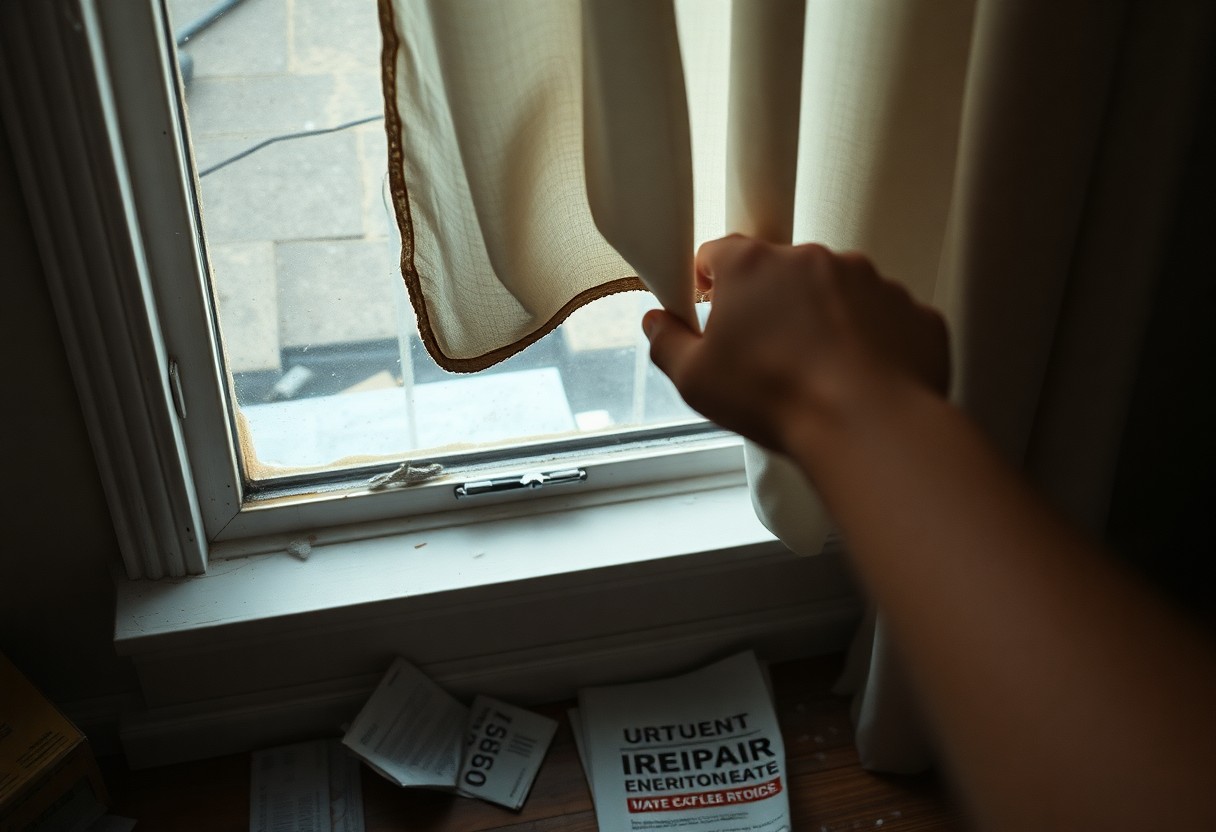
Just one small tear in your curtain might seem insignificant, but it can lead to costly repairs and replacements that could exceed $2,000 before you know it. This post will detail why neglecting that minor damage can have a substantial financial impact on your home, highlighting the importance of addressing even small issues promptly. You’ll learn how to effectively manage repairs to avoid steep costs down the line, ensuring your investments remain protected.
Key Takeaways:
- Small damages can lead to significant repair costs if not addressed promptly.
- A curtain tear may require expensive replacement or professional repair services.
- Insurance may not cover minor damages, resulting in out-of-pocket expenses.
- Preventative measures can save money in the long run.
- Act quickly to avoid escalating costs and further damage.
Understanding the Cost of Small Damages
Ignoring small damages like a curtain tear can escalate your overall repair expenses significantly. Initial costs may appear manageable, yet they often lead to a domino effect of additional repairs or replacements, especially if critical components are affected. For instance, the compromised integrity of a curtain might necessitate further inspections or updates to surrounding furnishings, thus increasing your financial burden unexpectedly.
Repair Costs Explained
Repair costs for minor damages can vary widely based on the extent of the damage and materials used. A simple curtain tear might seem trivial, yet if it leads to further issues, such as mold growth from water damage, expenses can soar. The average cost to repair minor home damages typically ranges from $50 to $500, but overlooking them can push total expenses well into the thousands.
Long-term Financial Implications
Small damages can accumulate, resulting in substantial long-term financial implications. If ignored, minor repairs can lead to more significant issues, escalating your expenses and reducing your property’s value. For example, a small tear can allow moisture to penetrate, potentially causing structural damage and necessitating expensive repairs down the line.
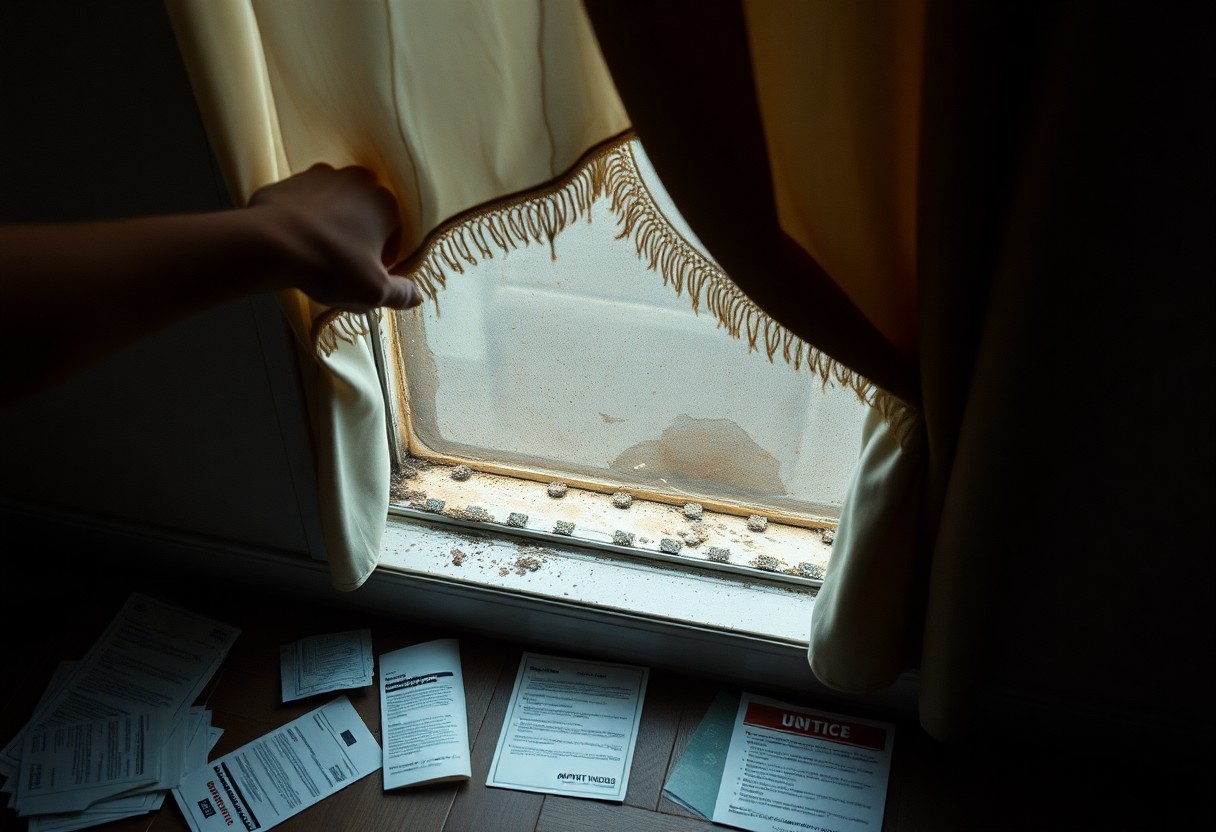
The Immediate Consequences of Ignoring Minor Issues
Neglecting small problems like a simple curtain tear may seem inconsequential, but the repercussions can become substantial. Minor issues often lead to more significant complications, including extensive repairs and increased costs. You might dismiss these problems, yet they often spiral out of control, demanding your immediate attention and financial resources.
Escalation of Damage
What starts as an insignificant annoyance can quickly escalate into a major concern. A small tear can allow moisture or pests to enter, resulting in structural damage or infestations that are far more expensive to remediate. You might be facing repair costs that multiply overnight, turning a minor inconvenience into thousands of dollars in expenses.
Impact on Property Value
Ignoring minor issues negatively affects your property’s marketability and overall value. Potential buyers notice every imperfection, and unresolved problems can deter offers or lead to reduced prices. This is a direct hit to your investment; damage that could have been fixed easily now morphs into a significant liability.
An overlooked tear can serve as a red flag to potential buyers. If they perceive maintenance neglect, it undermines their confidence in the property’s overall condition. In a competitive real estate market, first impressions are vital, and a property requiring extensive repairs can turn away interested buyers, leading to prolonged time on the market and stunted price growth. Properly maintaining your home safeguards its value and ensures a smoother selling process when the time comes.
Importance of Timely Repair
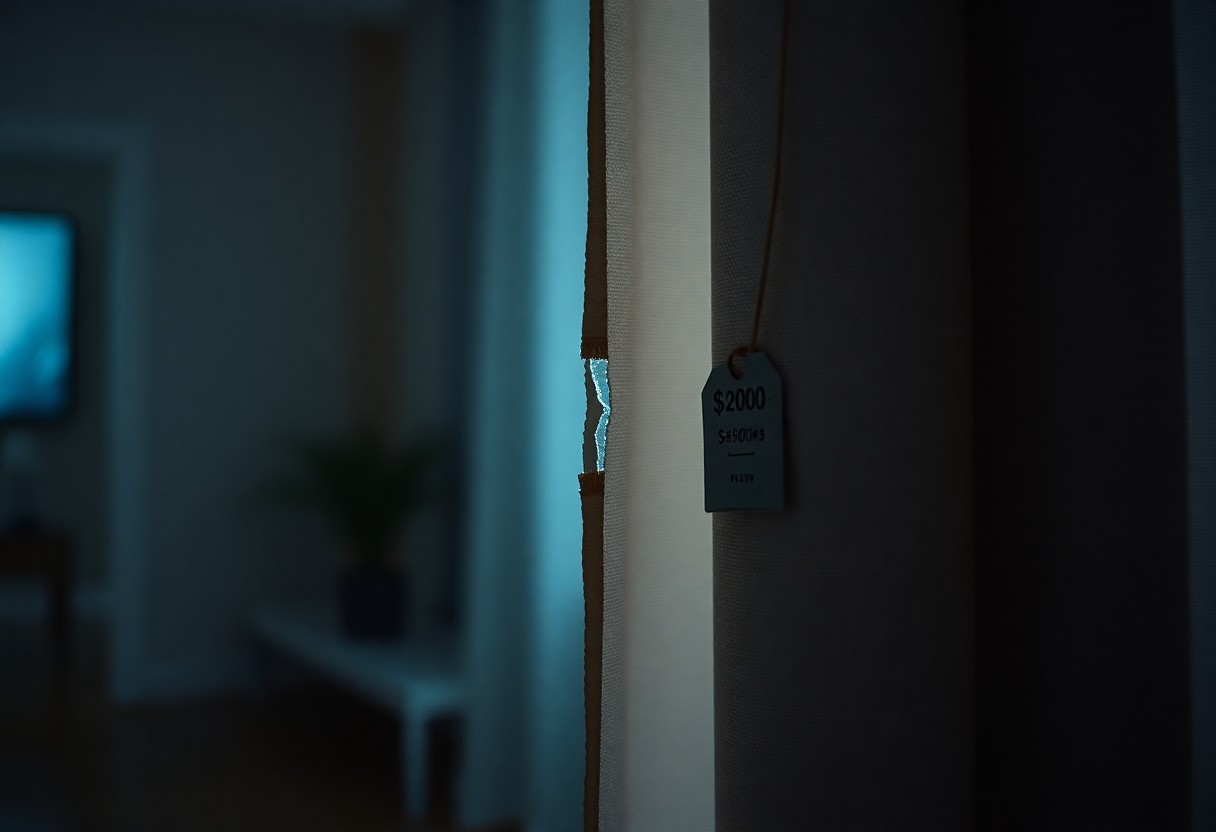
Addressing that small curtain tear immediately can save you significant costs and headaches down the line. As the fabric weakens, the damage can spread, leading to more extensive repairs or even total replacement. Procrastination often leads to compounded issues, elevating the repair costs from a few dollars to thousands, reminding you that timely action is vital to protecting your investment.
Cost Benefits of Early Action
Taking prompt action minimizes expenses, as small repairs typically cost much less than extensive restorations. For example, fixing a minor tear now might only require an inexpensive patch or reinforcement, whereas waiting can lead to fabric replacement or professional services that range from $200 to $2,000, depending on the scale of the damage.
Professional vs. DIY Repair Options
Choosing between a professional repair or tackling the issue yourself depends on your skill level and the severity of the tear. DIY repairs can offer cost savings for minor issues, while professionals guarantee a polished finish and longevity for medium to severe damage.
When considering DIY options, assess the tools and skills at your disposal. For simple tears, you might only need a sewing kit or fabric adhesive. However, more significant damage or delicate materials may warrant a professional, who can ensure that repairs are durable and aesthetically pleasing. Consider the time investment and necessary expertise—if you’re unsure, hiring a professional can save you future stress and additional costs.
Inspections and Maintenance
Regular inspections and maintenance are crucial to prevent minor issues from escalating into costly repairs. Scheduling routine checks for potential weaknesses in your curtain system can help maintain optimal performance and extend its lifespan. A quick visual assessment every few months can catch small tears, frays, or discoloration early, protecting your investment and avoiding more significant expenses down the line.
Regular Assessment Strategies
Incorporate straightforward strategies into your routine for effective assessments. Check your curtains for any signs of wear, such as loose threads or damage from pets. Use a checklist to evaluate hardware and tracks, ensuring they function smoothly without obstruction or misalignment, thus minimizing future complications.
When to Call a Professional
If your inspections reveal more serious issues, such as extensive structural damage or if your curtains fail to operate correctly after routine fixes, it’s time to seek professional assistance. A trained technician can accurately diagnose complex problems that are not easily visible, ensuring your curtains are both safe and functional.
In situations where the damage is beyond a simple repair, it’s best to engage a professional. For instance, if the fabric has deteriorated due to moisture or age, or if there’s significant warping in the hardware, their expertise can save you from further complications. Professionals can provide tailored solutions and recommendations based on the specifics of your installation, helping to avoid costly mistakes or ineffective DIY repairs. Their experience can also help you avoid future issues by advising on proper maintenance techniques specific to your curtains and environment.
Case Studies: Real-world Examples of Minor Damages
- Commercial Office Damage: A 3-inch tear in a conference room curtain led to $2,500 in replacement costs after it was not addressed promptly, disrupting client meetings.
- Residential Water Leak: A small leak from a window led to mold growth, resulting in a $5,000 remediation project.
- Retail Store Flooring: A minor scratch in the wooden floor escalated to $1,800 in refinishing costs after customer complaints increased.
- Apartment Damage: A pinhole in a wall resulted in a $3,000 repair after underlying issues were revealed during a routine inspection.
- Restaurant Kitchen: A slight crack in the food prep countertop led to a $1,200 replacement after health inspections flagged it.
Costly Mistakes
Ignoring minor damages often escalates into larger, expensive repairs. For instance, a small dent in an appliance can lead to extensive electrical issues if not checked, costing you hundreds in repairs and downtime. By delaying fixes, you risk compromising the integrity of your space and escalating costs significantly.
Successful Prevention Tactics
Proactive maintenance is key to avoiding costly repairs. Regular inspections, immediate repairs of minor damages, and investing in quality materials can prevent larger issues from developing. Implementing a routine check for wear and tear, and training your staff to spot potential problems early is crucial.
Additionally, establishing a timeline for inspections—monthly for visible wear and quarterly for underlying structural elements—ensures that minor damages are addressed before they snowball into larger concerns. This approach can save you thousands and keep your environment safe and functional. Investing time in maintenance bolsters your bottom line by minimizing unexpected repair costs and enhancing the overall durability of your property.
Tips for Preventing Small Damages in the Future
To prevent small damages from spiraling out of control, implement proactive measures in your space. Regular maintenance checks, immediate repairs, and mindful usage of furniture and fixtures can significantly extend the life of your belongings.
- Conduct monthly inspections of high-use areas.
- Address minor damages promptly before they worsen.
- Use protective covers for furniture and upholstery.
- Educate family members or employees about careful usage.
Knowing these strategies can save you significant costs and stress in the long run.
Protective Measures
Investing in protective measures, like furniture pads or corner guards, will shield your assets from everyday wear and tear. These simple additions can prevent scratches, dents, and other minor issues that could lead to costly repairs later.
Best Practices for Homeowners
Establishing best practices in home management involves more than just aesthetics; it’s about safeguarding your investment. Create a routine for evaluating your home’s condition regularly, and involve your family in upkeep tasks. Document any damage immediately to maintain a comprehensive history for insurance and repair purposes.
Incorporating small checks into your weekly routine can also promote a culture of care among your household members. For instance, designating a specific day to inspect areas like kitchens and living rooms can build awareness of potential hazards. Use a checklist to account for damages, shifting focus to prevention rather than reaction. Small steps today can avoid substantial costs tomorrow.
Summing up
Presently, that small curtain tear may seem insignificant, but it can lead to costly repairs exceeding $2,000 next week. By addressing the issue immediately, you can avoid extensive damage and expensive consequences. Your prompt attention to this problem ensures that your space remains intact and saves you from unexpected financial burdens. Don’t delay; taking action now will protect your investment and your finances.
FAQ
Q: Why is the small curtain tear so expensive to repair?
A: The tear requires specialized materials and professional expertise to ensure a seamless repair, driving up the cost significantly.
Q: What will happen if I don’t repair the tear now?
A: If not addressed promptly, the damage may worsen, leading to more expensive repairs or a complete replacement of the curtain.
Q: Can I fix the curtain tear myself to save money?
A: DIY repairs may not only be ineffective but could also further damage the curtain, resulting in higher costs later.
Q: How can I prevent future curtain damage?
A: Regular maintenance, including proper cleaning and being mindful of surrounding furniture, can help prevent further tears and prolong the curtain’s lifespan.
Q: Is there a warranty or guarantee for professional repairs?
A: Many professional repair services offer warranties on their work, ensuring that you’re covered if issues arise after the repair.
Leave a Reply