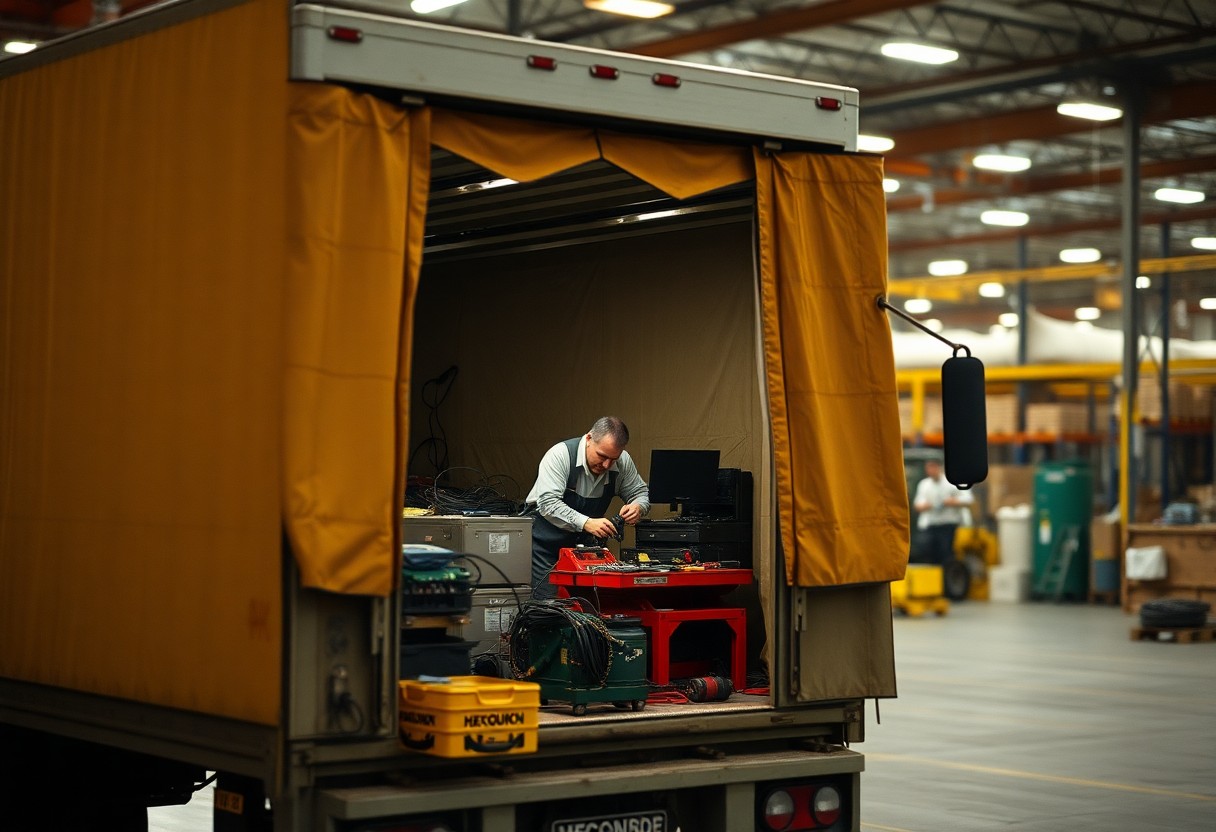
Repairs to truck curtain sides can often present unexpected challenges, demanding quick thinking and adaptability. In this blog post, you will explore real-world case studies that provide valuable insights into on-site repairs, highlighting practical solutions and strategies that have worked in various scenarios. By examining these lessons learned from the field, you can enhance your knowledge and ability to tackle similar issues effectively, ensuring your fleet remains operational and efficient.
Key Takeaways:
- Effective communication between repair teams and truck operators is necessary for identifying and addressing issues promptly.
- Regular maintenance and inspections can significantly reduce the frequency of on-site repairs, saving time and costs over the long term.
- Utilizing high-quality materials for curtain side repairs enhances durability and extends the lifespan of equipment.
- Training staff on repair techniques and safety protocols leads to improved efficiency and reduces the risk of accidents on-site.
- Documenting repair processes and outcomes helps to refine techniques and establish best practices for future reference.
Understanding Curtain Side Trailers
The curtain side trailer is a versatile transport solution designed for ease of access and efficient loading. Its unique structure features a flexible curtain that can be opened on the sides, allowing for quick loading and unloading without the need for a rear door. This functionality makes them popular in various industries, particularly for transporting goods that require easy handling and protection from the elements.
Anatomy of Curtain Side Trailers
Side curtains, robust frames, and a platform base are the main components of curtain side trailers that contribute to their functionality. The curtains are typically made from durable, weather-resistant materials and are supported by a rail system that facilitates their movement. Proper understanding of these elements helps in identifying repairs and maintenance needs effectively.
Common Issues and Wear Patterns
Any trailer will experience wear and tear, and curtain side trailers are no exception. Frequent issues include fraying of the curtain material, damage to the rail systems, and wear on the attachment points. Identifying these problems early on can save you time and money during repairs.
The most prevalent issues arise from exposure to the elements and physical wear during loading and unloading. Fraying and tears can compromise the trailer’s integrity, while the rails can become misaligned or damaged. Regular inspections will help you spot these patterns and ensure timely maintenance is conducted, preventing more extensive issues in the future.
Importance of Regular Maintenance
Below, you will discover that regular maintenance is necessary for extending the lifespan of your curtain side trailer. By maintaining the structural components and curtain material, you ensure safe operation and avoid potential breakdowns on the road.
Indeed, a commitment to regular upkeep not only helps maintain your trailer’s functionality but also preserves its value over time. Routine inspections and prompt repairs can mitigate severe damage, ensuring that your operation runs smoothly and efficiently. Investing time in maintenance will ultimately lead to less downtime and increased productivity.
On-Site Repair Techniques
Any effective on-site truck curtain side repair hinges on employing the right techniques. Understanding various methods can streamline the process and enhance the quality of your repairs. Utilizing appropriate approaches not only improves repair time but also ensures optimal durability of the curtain sides.
Selecting Appropriate Equipment and Materials
Materials play a significant role in the success of your on-site repairs. Ensure to choose high-quality fabrics and adhesives that are suitable for the type of damage you’re dealing with. This selection will directly affect the longevity and performance of the repaired curtain side.
Step-by-Step Curtain Side Access Procedures
Curtain side access procedures are vital for efficient repairs. Having a systematic approach allows you to minimize damage and expedite the repair process.
| 1. Secure the truck | Ensure the vehicle is on level ground and properly secured to prevent movement. |
| 2. Identify the affected area | Clearly inspect the curtain to define the limits of the repair needed. |
| 3. Remove damaged sections | Carefully cut away any torn or damaged fabric for a clean working area. |
OnSite access procedures facilitate a more straightforward path to repairs. By following a structured method, you can efficiently gather the necessary tools and identify the specific areas that require attention. Proper access not only accelerates repairs but also enhances the integrity of the final product.
Ensuring Safety and Compliance in Field Repairs
Behind every successful repair operation lies a commitment to safety and compliance. Establishing clear safety protocols ensures both you and your team are protected during the repair process, adhering to regulatory standards.
Indeed, prioritizing safety and compliance is paramount in field repairs. Ensuring you have the right Personal Protective Equipment (PPE) and following best practices minimizes risks and fosters a secure working environment. This focus on safety not only protects you but also helps maintain your reputation in the industry.
In-Depth Case Study Analyses
Once again, we research into real-world case studies to extract valuable lessons from on-site truck curtain side repairs. These case studies highlight innovative solutions and best practices in handling various repair scenarios, ultimately showcasing how adherence to standards like the Edition 9 – Food Safety Code: Food Manufacturing can enhance operational efficiency and safety.
Urban Logistics Challenges and On-Site Repair Dynamics
Study the intricacies of urban logistics and the unique challenges presented in on-site repairs. Urban environments often lead to tight schedules and space constraints, requiring you to adapt quickly to repair needs without disrupting traffic flow or customer deliveries.
Port Terminal Operations: Real-World Repair Scenarios
Among various operational environments, port terminals present unique challenges for on-site repairs. The high traffic of goods and containers necessitates swift action as delays can affect overall logistics and shipping schedules.
In fact, real-world scenarios at port terminals involve rapid-response teams addressing curtain side damages with minimal downtime. You may find that the proximity of repair facilities can significantly influence turnaround times, allowing you to strategize potential repairs efficiently while managing cargo schedules. This adaptability can be key in maintaining smooth port operations.
Emergency Repairs on Long Haul Routes
Dynamics of emergency repairs on long haul routes require you to be proactive, with strategies in place for handling unexpected issues while on the road. Being equipped with the right tools and supplies can save valuable time when trouble arises.
In addition, having a network of trusted local repair services along your routes can prove invaluable. These connections will allow you to quickly access necessary repairs, ensuring your operations remain efficient and your goods arrive on time, a vital aspect of long-haul logistics.
Insights from Experienced Technicians
All seasoned technicians emphasize that hands-on experience is invaluable when it comes to on-site truck curtain side repairs. Their accumulated knowledge and practical skills allow them to diagnose issues quickly and deliver effective solutions. Engaging with these experts can give you necessary insights into the nuances of repairs that often go unnoticed in manuals.
Common Pitfalls in Curtain Side Repairs
The most frequent mistakes in curtain side repairs typically involve overlooking minor damages, misjudging repair materials, or skipping necessary safety protocols. By identifying these pitfalls early, you can ensure a more reliable and longer-lasting repair process.
Sharing Best Practices Among Professionals
Among industry professionals, sharing lessons learned fosters a culture of continuous improvement. Engaging in discussions about previous repairs and their outcomes equips you with diverse approaches and techniques that can enhance your skill set.
But networking with fellow technicians and attending workshops can significantly elevate your repair strategies. By exchange of knowledge about tools, techniques, and materials that have proven successful in specific scenarios, you can avoid repeating past mistakes. This collaborative spirit not only enhances individual performance but also uplifts industry standards as a whole.
Techniques for Effective Damage Assessment
After assessing a curtain side, it’s necessary to employ effective techniques to ensure that all damage is identified. This involves a systematic approach to checking for structural integrity, fabric tears, and potential weaknesses that could lead to future issues.
Experienced technicians recommend a thorough inspection method that includes both visual assessments and tactile checks. By carefully evaluating the curtain for any subtle signs of wear, you can catch small issues before they escalate into more significant problems. Utilizing tools like measuring tapes or pressure gauges can also assist in providing a comprehensive evaluation, enabling you to implement timely and effective repairs.
Innovations in Repair Materials and Methods
Your understanding of repair techniques can significantly enhance the efficiency of on-site truck curtain side repairs. Recent innovations in materials and methods have revolutionized traditional practices, allowing for faster and more durable fixes. By embracing cutting-edge solutions, you can improve longevity and reduce downtime, ultimately leading to greater operational productivity.
Breakthroughs in Durable Repair Materials
Around the industry, new high-performance materials have emerged, designed specifically for durability and flexibility. These advanced fabrics and adhesives not only provide stronger bonding but also resist environmental stresses, significantly prolonging the life of repairs. By utilizing these innovative materials, you can ensure your repairs withstand the rigors of daily use while maintaining cost-effectiveness.
Integrating Technology for Remote Diagnostics
Behind the scenes, technological advancements are enabling real-time diagnostics of truck curtain systems, allowing for quicker identification of issues. By integrating mobile apps and remote sensors, you can access vital performance data instantly, streamlining the repair process. This proactive approach helps mitigate potential problems before they escalate, ultimately saving you time and resources.
Considering these technological integrations, you’ll find that real-time data can enhance your decision-making process during repairs. The ability to analyze performance metrics remotely allows for timely interventions and tailored solutions, ensuring your fleet remains operational. With the right tools at your disposal, you’re empowered to diagnose issues with precision and enhance repair strategies effectively.
Sustainability in Repair Material Choices
Methods for selecting sustainable repair materials are becoming increasingly important in today’s environmentally conscious market. By prioritizing eco-friendly options, you can contribute to reducing waste and minimizing the carbon footprint associated with repair processes. Choosing materials that are both effective and sustainable not only benefits the environment but can also appeal to clients who value corporate responsibility.
And as you explore eco-friendly alternatives in repair materials, consider how these choices can impact your business reputation. Opting for products made from recycled or biodegradable materials signals a commitment to sustainability, which can differentiate you in a competitive industry. Moreover, many sustainable options maintain high performance standards, ensuring that you do not sacrifice quality for environmental considerations. By aligning your practices with green initiatives, you enhance not only your repair outcomes but also your brand’s image in the marketplace.
Management and Maintenance Strategies
Not all truck curtain side repairs are equal; effective management and maintenance strategies are necessary for maximizing your operational efficiency. By implementing systematic approaches to scheduling, training, and stock management, you can significantly enhance the longevity of your truck curtains and reduce costly disruptions. Each of these components plays a vital role in ensuring that your fleet remains in peak condition while minimizing downtime and expenses.
Scheduling Repairs and Cost-Efficiency Tactics
Strategies for scheduling repairs should focus on aligning maintenance activities with your fleet’s operational demands. By monitoring usage patterns and identifying peak and off-peak times, you can plan repairs in a way that avoids service interruptions while maximizing the utility of your resources. Cost-efficiency can also be enhanced by conducting preventative maintenance, ensuring that wear-and-tear doesn’t lead to more expensive repairs down the line.
Advancing Training and Skill Development for Technicians
Cost-efficiency is greatly influenced by the expertise of your technicians. Investing in training and skill development ensures that your team is up-to-date with the latest repair techniques and standards, enabling them to perform tasks efficiently and correctly. A well-trained technician not only works faster but also reduces errors that could result in costly redo work.
Skill development programs may include hands-on workshops or online training modules that help keep your technicians informed about advancements in materials and technology related to truck curtain repairs. By providing ongoing education, you equip your team with the best practices and techniques to handle various repair challenges, ultimately enhancing performance and productivity.
Stock Management for Spare Parts
Repairs can be delayed or complicated due to a lack of readily available spare parts. Effective stock management is necessary in ensuring that you have the necessary components on hand when a repair is needed. By maintaining an organized inventory system, you can reduce search time and streamline the repair process, allowing for quicker turnaround and less downtime for your fleet.
Training your team in proper stock management practices enhances their ability to track inventory levels and anticipate the need for replenishment. Regular audits and data analysis can help in identifying trends in parts usage, enabling you to make informed decisions about restocking and minimizing the risk of running out of key components when they are most needed.
Incident Response Protocols
Your incident response protocols should be well-defined to handle on-site truck curtain side repairs effectively. Implementing a structured approach ensures that each step is clear and systematic, aiding in minimizing downtime and maintaining safety standards. Regular training and drills can prepare your team to respond swiftly to any incidents, fostering a culture of safety and efficiency.
Immediate Mitigation Strategies
Behind every successful repair operation is a set of immediate mitigation strategies designed to contain damage and ensure safety. This may include securing the area, conducting initial assessments, and, if necessary, notifying emergency services. Acting quickly prevents further complications and maintains the integrity of your repair process.
Documentation and Reporting of Repairs
Beside effective execution, thorough documentation and reporting of repairs are vital for accountability and future reference. Every detail, from the nature of the damage to the repairs made, should be recorded meticulously. This practice not only helps in tracking repair history but also assists in audits and compliance with regulatory standards.
In addition, maintaining accurate records of repairs provides valuable insights into recurring issues and trends, allowing you to make informed decisions on preventive measures. It also helps facilitate communication with stakeholders, ensuring that everyone is aware of the operational impact and any follow-up actions needed. By establishing a clear documentation process, you contribute to continuous improvement within your operation.
Customer Communication During Repairs
Mitigation of customer frustration during repairs is vital for maintaining trust and satisfaction. Keeping customers informed throughout the repair process not only eases their concerns but also demonstrates your commitment to service quality. Timely updates can help manage expectations and foster positive relationships, even when issues arise.
Considering you are working directly with customers during repairs, clear communication is vital. Providing regular status updates, estimated completion times, and addressing concerns promptly can greatly enhance the customer experience. Establishing a dedicated communication channel, whether through calls, texts, or emails, enables you to reassure clients and uphold professional standards throughout the repair process.
Enhancing Team Communication and Coordination
For efficient on-site truck curtain side repairs, enhancing team communication and coordination is vital. You need clear channels for sharing information and updates, ensuring that everyone is on the same page. Establishing protocols for communication not only streamlines the repair process but also fosters a supportive work environment, allowing your team to tackle challenges collaboratively.
Tools for Effective On-Site Communication
After assessing your team’s communication needs, adopting the right tools can significantly improve interactions. Utilizing mobile applications, walkie-talkies, and project management software allows for real-time sharing of information, helping you stay connected even in high-paced environments. Select tools that best fit your team’s operational style to enhance workflow.
Role of Leadership in Repair Operations
Around any repair operation, effective leadership sets the tone for teamwork and morale. Your role as a leader includes providing guidance, maintaining focus on objectives, and addressing team concerns promptly. By demonstrating adaptability and decisiveness, you inspire confidence, ensuring that your team remains cohesive and motivated during repairs.
Repair operations thrive under capable leadership, as you should be the one ensuring clarity in task distribution and expectations. By actively participating in discussions and offering constructive feedback, you can help to eliminate confusion and foster trust within your team. Your leadership inspires collaboration and promotes a culture where team members feel empowered to contribute their ideas and solutions, ultimately leading to more efficient repairs.
Team Dynamics in High-Pressure Situations
Repair dynamics can often shift dramatically under pressure. You will face unforeseen challenges and time constraints, which can impact how your team interacts. Acknowledging these stresses and proactively addressing them helps maintain a productive environment where your team is encouraged to communicate and support each other.
This high-pressure atmosphere can bring out the best in your team as they learn to rely on one another’s strengths. Establishing trust and camaraderie in advance can make a significant difference when the stakes are high. By building strong relationships through team-building exercises and open dialogue, you set the foundation for smoother operations, even when facing critical repair timelines.
Regulatory Compliance and Standards
Many operators overlook the importance of regulatory compliance and standards when conducting on-site truck curtain side repairs. Adhering to both local and international regulations ensures the safety of your workers and the integrity of your fleet. It is vital to stay updated on these regulations to avoid penalties and to maintain operational continuity.
Understanding Local and International Regulations
Below, you will find that understanding local and international regulations regarding on-site repairs can significantly impact your business operations. Compliance with these standards reduces the risk of legal issues and ensures that your repair practices align with industry best practices, promoting overall safety and efficiency.
Safety Standards in On-Site Repair Work
Across different jurisdictions, safety standards in on-site repair work can vary, but there is a common emphasis on protecting both workers and the environment. Implementing these safety measures helps prevent accidents, ensuring a secure work environment for you and your team while complying with legal requirements.
Standards set by organizations, such as OSHA or ISO, outline the safety measures that you should implement during on-site repairs. This includes the use of personal protective equipment (PPE), proper handling of tools and machinery, and ensuring that the repair area is organized and hazard-free. By adhering to these standards, you foster a safety-first culture that not only boosts morale but also enhances productivity.
Reporting and Compliance Documentation
Around your on-site repair projects, maintaining detailed reporting and compliance documentation is imperative. This includes logs of repairs, safety checks, and training records. Keeping accurate documentation not only helps you track your compliance with regulations but also serves as vital evidence in case of audits or inspections.
But you must ensure that your compliance documentation is up to date and readily accessible. Establishing a systematic approach to record-keeping will streamline your operations and provide peace of mind. By maintaining thorough reports, you can quickly address any compliance concerns while demonstrating your commitment to safety and regulatory adherence.
Future Directions and Emerging Trends
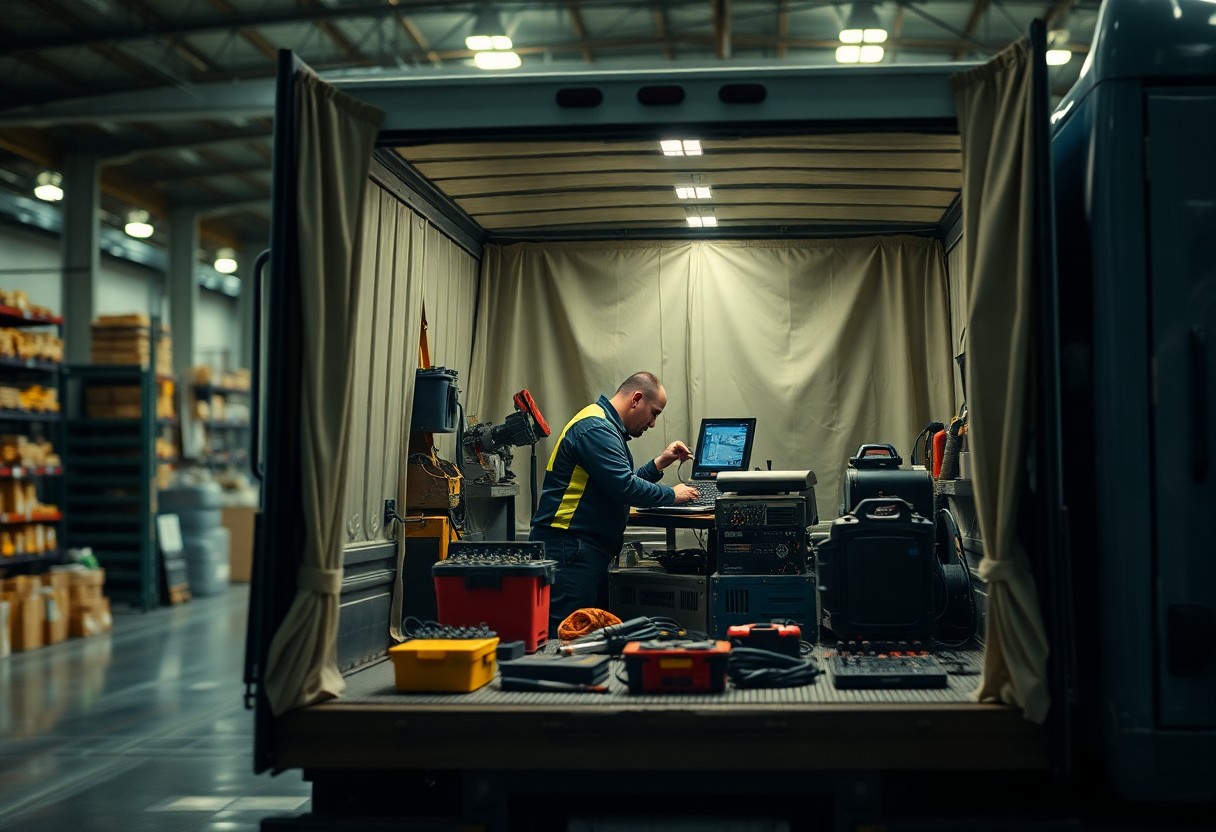
Keep exploring innovations in on-site curtain side truck repairs as the industry evolves. By keeping up with emerging trends, you can enhance efficiency, response times, and service quality, ensuring that your repair practices remain competitive and effective.
Embracing Sustainability in On-Site Repair Practices
The shift towards sustainable practices in on-site repairs is gaining momentum. By using eco-friendly materials and methods, you can reduce waste and minimize your environmental impact while still delivering high-quality repairs.
Digitalization and Smart Monitoring in the Field
The integration of digital tools and smart monitoring systems is revolutionizing the way on-site repairs are conducted. You can leverage these technologies for real-time diagnostics, performance tracking, and optimizing repair processes.
Due to the increased use of IoT devices and data analytics in the field, you can access detailed insights into the condition of your trucks. This connectivity enables proactive maintenance, empowering you to address issues before they escalate, ultimately reducing downtime and costs.
Predictions for Truck Repair Technologies
Above all, advancements in repair technologies are expected to reshape how you approach curtain side repairs. Innovations such as automated repair systems and advanced materials are set to enhance efficiency and durability in your operations.
Future developments in truck repair technologies will likely include the use of robotics and AI to streamline repair processes. These advancements will not only improve precision but also allow you to allocate resources more efficiently, ultimately leading to a more sustainable and effective repair environment.
Case Study: Urban Logistics and Repair Timing
Your logistics operations can significantly benefit from understanding the timing of on-site truck curtain side repairs. By analyzing the optimal moments for repairs, you can minimize downtime and keep your fleet running smoothly, which is necessary in urban environments where timely deliveries are vital to your business success.
Analysis of Repair Timing to Minimize Downtime
Timing your truck repairs accurately can make a significant difference in how long your vehicles are off the road. By scheduling repairs during low-traffic periods or integrating them into regular maintenance, you can ensure that your trucks face minimal disruption. This proactive approach not only facilitates faster service but also enhances overall operational efficiency.
Seasonal Challenges and Strategies
Against optimal repair conditions, fluctuating seasons can introduce unique challenges, such as inclement weather that affects both repair times and road conditions. Being aware of these seasonal factors can assist you in planning and executing timely repairs, ensuring your operations remain uninterrupted regardless of external conditions.
Strategies for addressing seasonal challenges may include scheduling repairs in advance during predictable weather windows or utilizing indoor facilities to perform necessary repairs. Equipping your team with the right tools for various weather conditions can also enhance your repair efficiency and ensure safety. Keeping a close eye on seasonal changes enables you to mitigate potential operational disruptions.
Adaptability to Urban Traffic Conditions
Above all, the ability to adapt your repair strategies to urban traffic conditions is necessary for maintaining fleet efficiency. Urban settings often present unique challenges, such as traffic congestion and limited access points, making timely repairs even more important. Being flexible and aware of traffic patterns allows you to navigate these challenges with ease.
Challenges posed by urban environments can include finding suitable locations for on-site repairs and managing limited timeframes for maintenance. By leveraging technology, such as GPS and traffic monitoring tools, you can schedule repairs during off-peak hours. Building relationships with local repair services can also enhance your adaptability, ensuring you have rapid access to assistance when needed. Keeping your operations streamlined in dense urban areas will greatly enhance your overall logistics effectiveness.
Case Study: Port Terminal Operations
Unlike traditional repair settings, port terminal operations present unique challenges that require swift action and precision. The dynamic environment demands that your repair teams operate efficiently to minimize downtime, ensuring the smooth flow of goods and services within a bustling logistical hub.
Specific Repair Needs in a Port Environment
With constant activity, the specific repair needs in a port environment often vary. From addressing wear and tear on curtain sides to the urgency of quick fixes during peak operation times, your team must be well-prepared to tackle diverse issues that arise in this high-stakes setting.
Coordinating with Different Stakeholders
Among the challenges you face in a port environment is coordinating with various stakeholders, including shipping companies, terminal operators, and maintenance crews. Effective communication and collaboration among these groups are crucial to ensure repair projects align with terminal schedules and priorities.
For instance, engaging with shipping companies to understand their loading and unloading schedules can help you time your repairs efficiently. By keeping all stakeholders informed, your team can minimize disruptions and maintain productivity, fostering a sense of teamwork that extends beyond mere repairs.
Evaluation of Repair Impact on Terminal Efficiency
Port evaluations often focus on how your repair initiatives impact overall terminal efficiency. A well-executed repair not only restores functionality but also enhances workflow, contributing to a more seamless operational environment.
Another factor to consider is the long-term effects of repairs on equipment lifespan. By maintaining high repair standards, you can prevent future issues that may cause delays, ultimately fostering an environment that prioritizes efficiency and reliability in terminal operations.
Lessons Learned from Field Experience
Now, every on-site repair brings unique challenges that can offer invaluable insights for future operations. By reflecting on these experiences, you can enhance your understanding of repair techniques, streamline your processes, and ultimately improve your service delivery. It’s vital to document and share these lessons to foster a culture of learning within your team.
Importance of Experience in Repair Scenarios
Among the various aspects of on-site truck curtain side repairs, experience holds significant value. Each scenario presents its own set of variables, and having a knowledgeable team can make all the difference. Your hands-on experience enables you to make informed decisions quickly, resulting in more effective and timely repairs.
Continuous Improvement in Repair Processes
Scenarios in the field often highlight areas where processes could be optimized. Being open to feedback and observing outcomes allows you to identify inefficiencies and implement changes. Over time, this iterative process leads to improved repair protocols, reducing downtime and increasing overall productivity.
Indeed, adopting a mindset of continuous improvement means regularly reviewing your procedures and making adjustments based on real-world scenarios. You should encourage your technicians to voice their observations and suggestions. This collaborative approach not only enhances individual skills but also contributes to a more effective repair process across the board.
Building a Knowledge Database from Field Cases
To leverage your past experiences, start compiling a knowledge database that captures insights from each repair case. Documenting specific challenges and solutions can provide you and your team with quick references during similar future scenarios.
Field experiences offer a goldmine of information that, when organized effectively, can serve as a training resource for new team members and a reference for complex repairs. By cataloging each encounter and the lessons learned, you empower your team to tackle issues more confidently and efficiently, fostering an environment of shared knowledge and expertise.
Conclusion
Drawing together insights from real-world case studies in on-site truck curtain side repairs, you gain valuable lessons that can enhance your operational efficiency. Whether you’re a fleet manager or a repair technician, understanding the common challenges, effective techniques, and best practices can significantly influence your approach to maintenance. By applying these lessons learned from the field, you can improve repair turnaround times and extend the life of your fleet, ultimately benefiting your bottom line and ensuring a higher level of service delivery.
FAQ
Q1: What are truck curtain side repairs and why are they important?
A: Truck curtain side repairs involve fixing the fabric side panels of curtain-sided trailers that may have been damaged during transit. These repairs are important as they ensure the cargo remains secure, protect the load from weather elements, and help maintain the truck’s overall functionality. Well-maintained curtains can prevent costly cargo losses and minimize the risk of accidents on the road.
Q2: What are some common challenges faced during on-site truck curtain side repairs?
A: During on-site repairs, common challenges include limited access to equipment, working in varying weather conditions, and the need for rapid repairs to reduce downtime. Additionally, technicians may face difficulties in matching fabric types and colors, especially if the trailer has been in service for a long time or has undergone previous repairs. These factors can influence the quality and efficiency of the repair process.
Q3: How do real-world case studies enhance the knowledge of truck curtain side repairs?
A: Real-world case studies provide valuable insights into the practical challenges and solutions encountered during actual repair situations. They highlight successful techniques, innovative problem-solving approaches, and lessons learned from mistakes. By analyzing these case studies, technicians can improve their skills, enhance their understanding of different types of damage, and implement best practices in future repairs.
Q4: What lessons can be learned from field experiences in truck curtain side repairs?
A: Field experiences can teach several vital lessons, such as the importance of having the right tools readily available, the significance of proper training for technicians, and the necessity for effective communication among team members. Additionally, case studies emphasize the benefits of conducting regular inspections to identify potential damages before they lead to more severe issues, thus streamlining the repair process.
Q5: How can companies implement the lessons learned from these case studies to improve their repair processes?
A: Companies can implement lessons by investing in comprehensive training programs for their staff, adopting standardized procedures for inspections and repairs, and maintaining a well-stocked inventory of necessary materials and tools. Furthermore, encouraging technicians to share their own experiences can foster a culture of continuous learning and improvement. Regularly reviewing case studies can also provide inspiration and motivate teams to adopt innovative repair strategies.
Leave a Reply