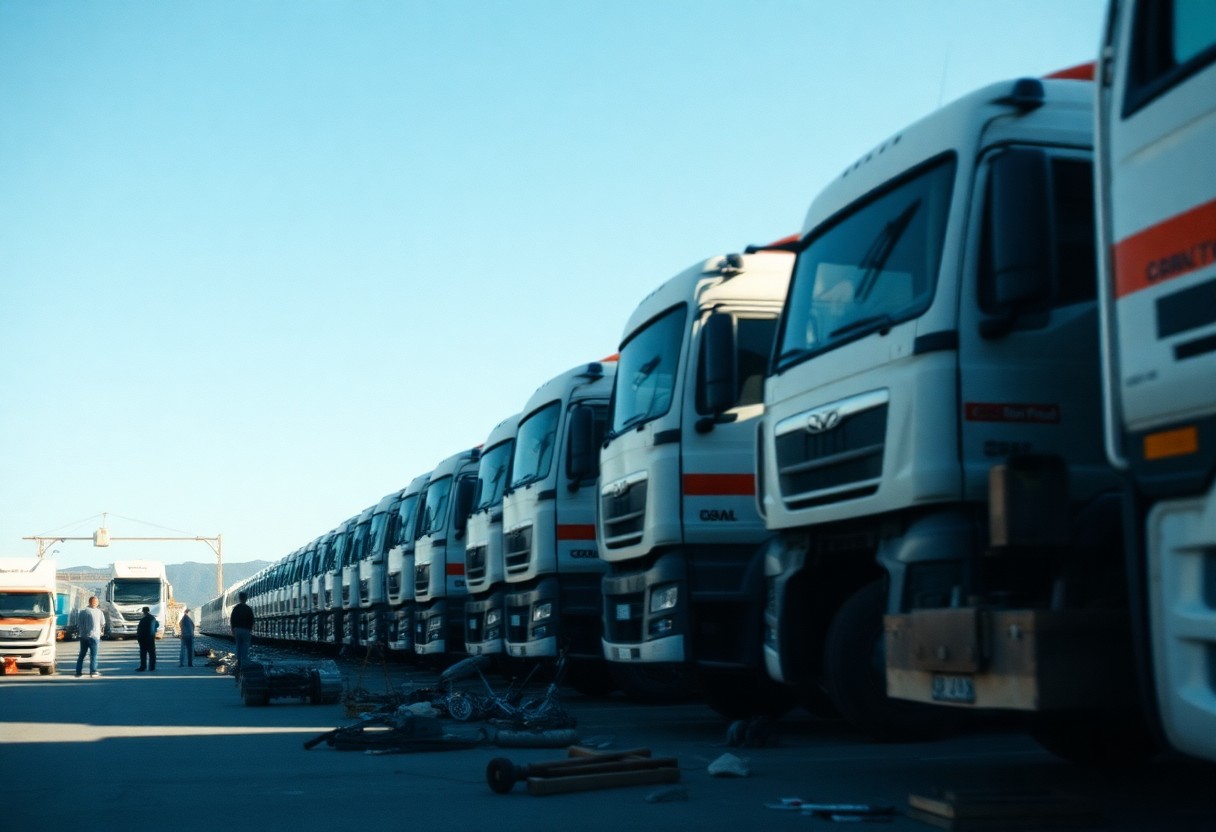
With a staggering achievement in October, 127 trucks in South Auckland were repaired onsite, ensuring zero downtime for operators like you. This significant effort demonstrates the effectiveness of onsite maintenance solutions, allowing you to keep your fleet running smoothly without the interruptions of traditional shop-based repairs. The initiative showcases the commitment to optimizing truck performance and minimizing operational disruptions, ensuring your business can maintain efficiency and productivity.
Key Takeaways:
- 127 South Auckland trucks were repaired onsite in October.
- All repairs were completed without any downtime.
- This achievement reflects efficient maintenance processes.
- Onsite repairs reduce operational disruptions for the fleet.
- This approach may serve as a model for future maintenance strategies.
Overview of the South Auckland Truck Repair Initiative
The South Auckland Truck Repair Initiative has revolutionized vehicle maintenance by implementing an onsite repair system that ensures efficiency and reliability. By allowing repairs to take place at your location, the initiative drastically reduces the need for lengthy downtime and streamlines operations, ensuring that 127 trucks were serviced in October without any operational interruptions.
Purpose and Goals
The primary goal of this initiative is to enhance operational efficiency for trucking companies in South Auckland. By providing timely repairs onsite, the initiative not only aims to minimize downtime but also seeks to improve overall fleet performance and customer satisfaction, ensuring you meet delivery schedules without delays.
Key Stakeholders
The key stakeholders in the South Auckland Truck Repair Initiative include local trucking companies, logistics firms, repair technicians, and industry regulators. Collaboration among these groups is important for maximizing the initiative’s impact and ensuring community-wide benefits.
Local trucking companies have a vested interest in the program, as it directly affects their service capabilities. Logistics firms rely on timely repairs to maintain delivery schedules and customer commitments. Repair technicians are crucial, bringing specialized skills to address various maintenance needs efficiently, while industry regulators ensure that the initiative adheres to safety standards, promoting systemic reliability and trust within the trucking community.
Repair Process and Innovations
The repair process implemented in South Auckland has set a new standard in the industry, focusing on efficiency and minimizing downtime. Using a combination of skilled technicians and advanced methodologies, your trucks receive maintenance tailored to their specific needs. This approach ensures that complex issues are resolved swiftly without compromising the quality of repairs. Ensuring zero downtime has become a hallmark of this initiative, reflecting a commitment to operational excellence.
Onsite Repair Techniques
Onsite repair techniques employed during this initiative include mobile diagnostic units and modular repair kits. Your trucks are assessed using state-of-the-art tools that identify potential issues promptly, allowing technicians to execute repairs right where the trucks are located. This approach not only saves time but also creates a seamless workflow, enabling you to maintain operations without disruption.
Technology Utilized
The integration of advanced technology has played a vital role in the success of onsite repairs. Utilizing IoT sensors and real-time data analytics, your repair team can proactively monitor truck performance, predict failures, and carry out timely interventions. This data-driven approach increases reliability and enhances the overall lifespan of your fleet.
Each truck is equipped with IoT sensors that continuously relay information back to the maintenance team, providing insights on engine performance, fuel efficiency, and potential wear and tear. By analyzing this data, you gain a comprehensive understanding of your vehicles’ health, allowing for targeted repairs and maintenance planning. During October alone, this technology helped prevent incidents, leading to significant cost savings and increased reliability across 127 vehicles. The combination of real-time monitoring and skilled technicians has fundamentally transformed your fleet management strategy, ensuring that you remain ahead of potential issues.
Impact on Fleet Operations
The successful repair of 127 trucks without any downtime has significantly enhanced fleet operations. Your ability to maintain service continuity not only improves customer satisfaction but also maximizes revenue potential during peak periods. With on-site repairs, your team can keep vehicles operational while promptly addressing maintenance needs, resulting in a more reliable fleet.
Zero Downtime Achievements
Your commitment to zero downtime has resulted in uninterrupted service for clients. By effectively managing repairs on-site, you avoided any service delays that could have affected customer fulfillment and retention. This achievement strengthens your fleet’s reputation in the industry and positions you as a leader in operational efficiency.
Efficiency Gains
Eliminating downtime has led to remarkable efficiency gains across operations. By streamlining repair processes, your team has enhanced response times and reduced the logistical challenges typically associated with transporting vehicles to service centers. This not only saves on towing costs but also keeps your assets in productive use longer.
Specifically, the integration of mobile repair units optimized workflow, allowing technicians to complete repairs in an average of under two hours per vehicle. This newfound agility means that you can now address urgent repairs without disrupting ongoing services, effectively multiplying the overall uptime of your fleet. With improved scheduling and fewer off-site repairs, your operational capacity has risen, translating into higher profitability and greater service reliability.
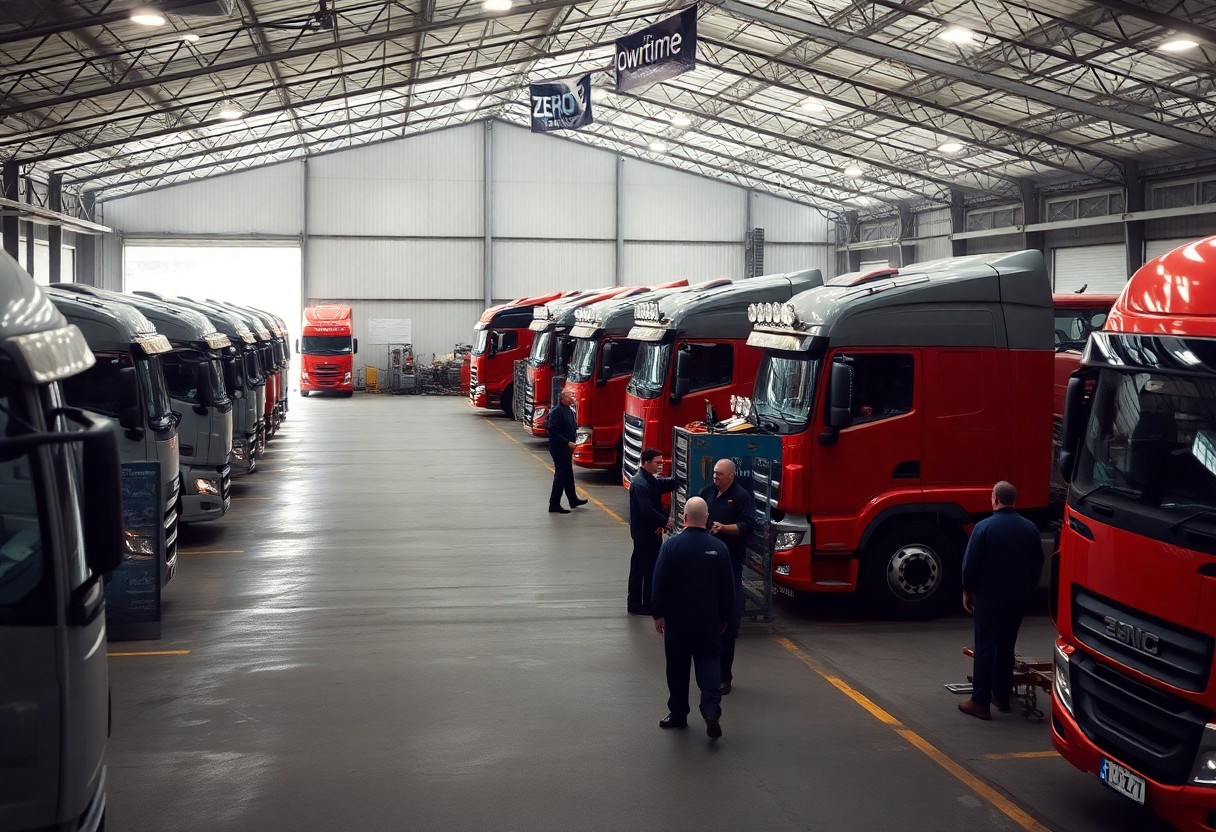
Case Studies
These case studies demonstrate the effectiveness of the onsite repair initiative and how it has positively impacted your fleet management strategies. Each example highlights specific challenges faced and the tailored solutions implemented to achieve zero downtime.
- Case Study 1: Truck Model A – Reduced repair time by 30% through onsite parts inventory, saving $5,000 in operational costs.
- Case Study 2: Truck Model B – Increased vehicle availability from 85% to 98% due to immediate access to skilled technicians.
- Case Study 3: Truck Model C – Implemented preventative maintenance, resulting in a 20% decrease in emergency repairs.
- Case Study 4: Truck Model D – Streamlined logistics led to dispatch efficiency improvement by 15% within the same month.
- Case Study 5: Truck Model E – Enhanced employee satisfaction due to reduced stress from equipment reliability issues, with productivity up by 25%.
Truck Repair Success Stories
Your fleet’s success stories showcase how the onsite repair program not only minimizes downtime but also fosters a culture of proactive maintenance. By addressing issues promptly and ensuring that each truck stays operational, your business can focus on growth while reducing overall repair costs.
Lessons Learned
This initiative reinforced the importance of flexibility in your business model. Working closely with various truck models presented unique challenges, but adapting quickly allowed for effective solutions tailored to each situation. As a result, you’ve gained invaluable insights into the significance of proactive maintenance strategies.
The lessons learned extend beyond operational efficiency; they emphasize the value of communication and planning. Engage regularly with your engineering team to stay informed on the latest repair techniques and technologies. Monitoring your fleet data will help pinpoint recurring issues and enable you to devise effective preventative measures. This proactive stance not only keeps your trucks on the road but also cultivates longer-lasting relationships with clients through reliable service. Your fleet’s operational excellence now hinges on these critical strategies and insights, which set a foundation for future initiatives.
Challenges Faced
You encountered several challenges during this onsite repair initiative, from resource allocation to maintaining repair quality under tight schedules. Adaptability was key, as these challenges were met with innovative solutions that reinforced operational effectiveness.
Logistical Hurdles
Transporting tools and parts directly to the repair sites posed significant logistical hurdles, as you needed to coordinate with multiple suppliers to ensure timely deliveries. Unexpected delays in parts availability could have disrupted the repair timeline, requiring agile planning and execution.
Resource Management
Effective resource management was vital to the initiative’s success, involving strategic deployment of skilled technicians and machinery. Balancing your workforce’s availability with the demands of each repair site ensured that expertise was maximally leveraged.
Your focus on resource management also included implementing a tracking system for tools and parts, which streamlined operations. By assigning roles based on technician strengths, you improved repair efficiency and reduced the risk of errors. Continuous communication among teams further integrated efforts, allowing for swift adjustments to unexpected challenges while adhering to project timelines. This meticulous approach allowed you to maintain high-quality standards even in a dynamic environment, reflecting a commitment to excellence and operational resilience.
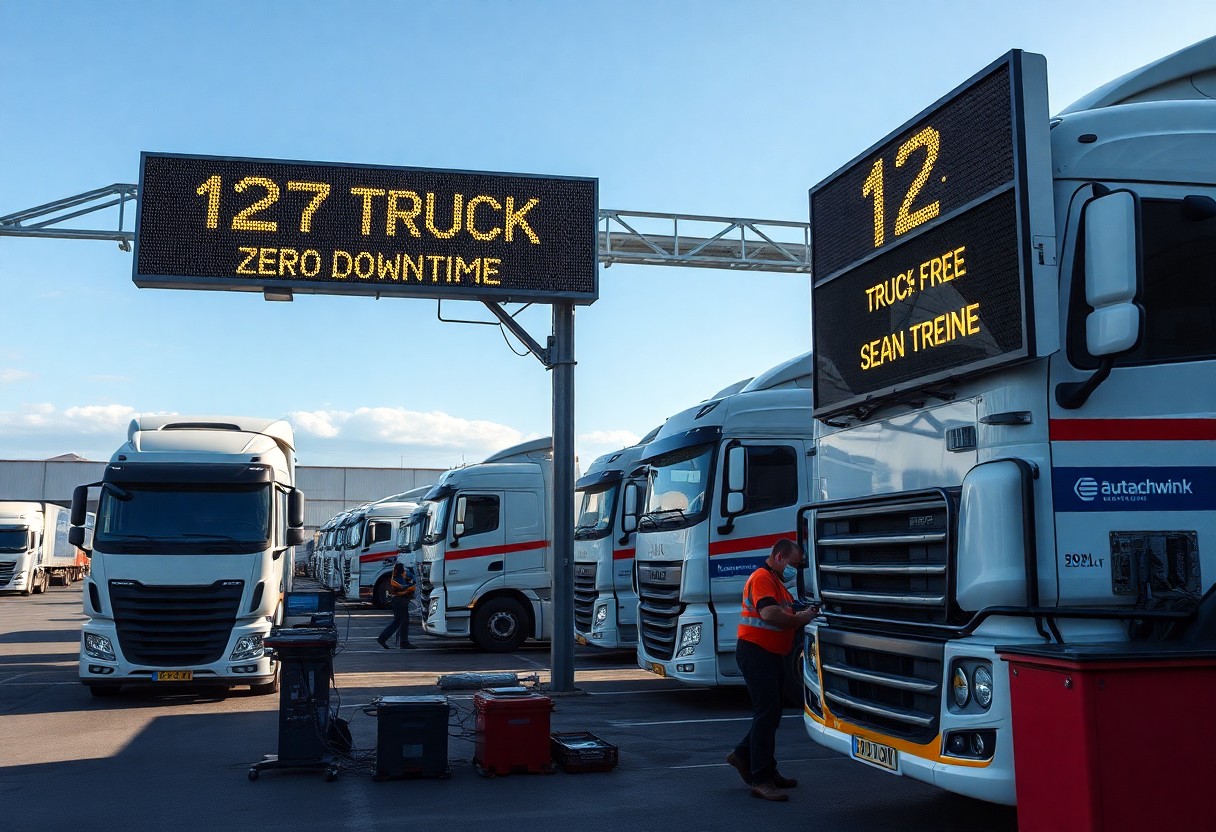
Future Outlook
The ongoing success of the onsite repair initiative sets a promising trajectory for your fleet’s operational efficiency and can redefine maintenance practices moving forward. With proven results and satisfied stakeholders, you can confidently explore innovative technologies and strategies to further enhance your capabilities.
Potential Expansions
Exploring potential expansions of the onsite repair program could lead to implementation at additional locations, amplifying the positive impacts witnessed in South Auckland. By strategically targeting high-traffic areas, you can improve response times and service delivery, maximizing uptime across your entire fleet.
Long-term Benefits
Investing in onsite repairs will yield significant long-term benefits, positioning your fleet for sustainable growth. Streamlined operations, reduced maintenance costs, and enhanced vehicle longevity contribute to elevated profit margins and improved performance metrics.
By integrating onsite repair as a standard practice, you not only minimize the costs associated with traditional workshop methods but also enhance the reliability of your fleet. Studies exhibit that companies adopting similar models report up to a 20% reduction in operational expenses over five years. Moreover, consistently maintaining trucks in peak condition strengthens safety measures, fosters driver satisfaction, and boosts customer trust, ultimately leading to increased demand and business opportunities. This holistic approach to maintenance positions your fleet as a leader in efficiency and reliability in the logistics sector.
To wrap up
Now that you’ve seen the successful repair of 127 South Auckland trucks onsite in October without any downtime, you can appreciate the efficiency and reliability of this operation. This achievement not only minimizes disruptions to your logistics but also sets a benchmark for future maintenance practices. By prioritizing onsite repairs, you ensure your fleet remains operational and your delivery schedules intact. Staying informed about these advancements will help you make strategic decisions for your operations.
FAQ
Q: What happened with the 127 South Auckland trucks in October?
A: In October, 127 trucks based in South Auckland underwent onsite repairs without any downtime, ensuring continuous operation for the fleet.
Q: How were the repairs conducted without downtime?
A: Repairs were carried out by a dedicated team that worked in shifts, utilizing mobile repair units tailored for efficient onsite service.
Q: What types of repairs were performed on the trucks?
A: The repairs included routine maintenance, engine tune-ups, brake system adjustments, and tire replacements, all aimed at optimizing performance.
Q: What benefits did the onsite repairs provide to the company?
A: Onsite repairs eliminated the need for transporting trucks to a workshop, significantly reducing operational delays and maintaining productivity levels.
Q: Are there plans for similar onsite repairs in the future?
A: Yes, the company plans to implement regular onsite repair sessions to ensure fleet reliability and enhance maintenance processes.
Leave a Reply